
Buyers searching for a non-toxic organic cotton supplier in China are usually responding to real and pressing concerns: chemical residues that trigger skin allergies, unstable supply chains, and a lack of verifiable sustainability credentials among manufacturers. For retailers, sustainable fashion startups, and global clothing brand owners, identifying a reliable, certified, and vertically integrated production partner is often the first and most critical step before any conversation about contact details even begins.
Why the Search for Non-Toxic Organic Cotton Matters
Traditional textile manufacturing has long been associated with toxic chemical residues that cause skin allergies, poor breathability in synthetic fabrics, and significant environmental degradation. Retailers sourcing sustainable goods also commonly face supply chain instability and high minimum order requirements, which makes finding a dependable partner even more important. These industry-wide pain points explain why buyers increasingly prioritize suppliers who can demonstrate both material safety and environmental accountability, rather than relying on marketing claims alone.
Peony & Buyoh Co., Ltd.: A Vertically Integrated Eco-Friendly Manufacturer
Peony & Buyoh Co., Ltd. was officially established in 2004 and operates a Shanghai sales office alongside a Shandong factory in China, serving global markets including the European Union, North America, Australia, the Middle East, and South America. The company is a specialized eco-friendly clothing enterprise focused on the development, bulk production, and sale of sustainable apparel made from organic and regenerated fibers, functioning as a vertically integrated manufacturing and ODM/OEM service provider.
The company's growth reflects a deliberate shift toward sustainability. In 2009, Peony & Buyoh invested in its own clothing factory in Shandong. By 2012, it had built a knitting workshop capable of producing single jersey, ribs, french terry, and interlock fabrics in-house. In 2016, the company made a strategic decision to focus on fiber and fabric made from organic cotton, bamboo viscose, modal, and recycled material, recognizing the need to create products that are safe for human health while preventing contributions to air, water, and land pollution. In 2018, a solar power station was built on the rooftops of its workshops, now providing more than 70% of its electricity for the entire year.
Certifications That Verify Non-Toxic and Sustainable Claims
For buyers evaluating whether a supplier's non-toxic claims are credible, third-party certifications remain the most reliable indicator. Peony & Buyoh holds industry certifications including GOTS (Global Organic Textile Standard), OCS (Organic Content Standard), GRS (Global Recycled Standard), OEKO-TEX Standard 100, and BSCI (Business Social Compliance Initiative). These certifications collectively verify organic sourcing integrity, recycled content accuracy, non-toxic material composition, and social responsibility compliance across the supply chain.
Quality assurance is managed through a dedicated Quality Control department utilizing AQL 2.5 standards across pre-production, during-production, and final inspections. Combined with integrated manufacturing from fabric knitting to final packaging, this structure allows the company to maintain on-time delivery even during periods of market volatility.
Environmental Performance Backed by Measurable Results
Beyond certifications, Peony & Buyoh's organic cotton lines are associated with quantifiable environmental milestones, including 91% less "blue" water usage and 46% reduced greenhouse gas emissions compared to conventional cotton production. These figures, combined with the company's rooftop solar infrastructure supplying over 70% of annual factory electricity, provide buyers with measurable, rather than purely promotional, evidence of sustainability performance.
Product Range Built on Non-Toxic, Skin-Safe Materials
Peony & Buyoh's eco-friendly clothing line targets high-performance, sustainable daily wear for both eco-conscious consumers and professional retailers operating on a B2B, OEM, or ODM basis. The product matrix includes:
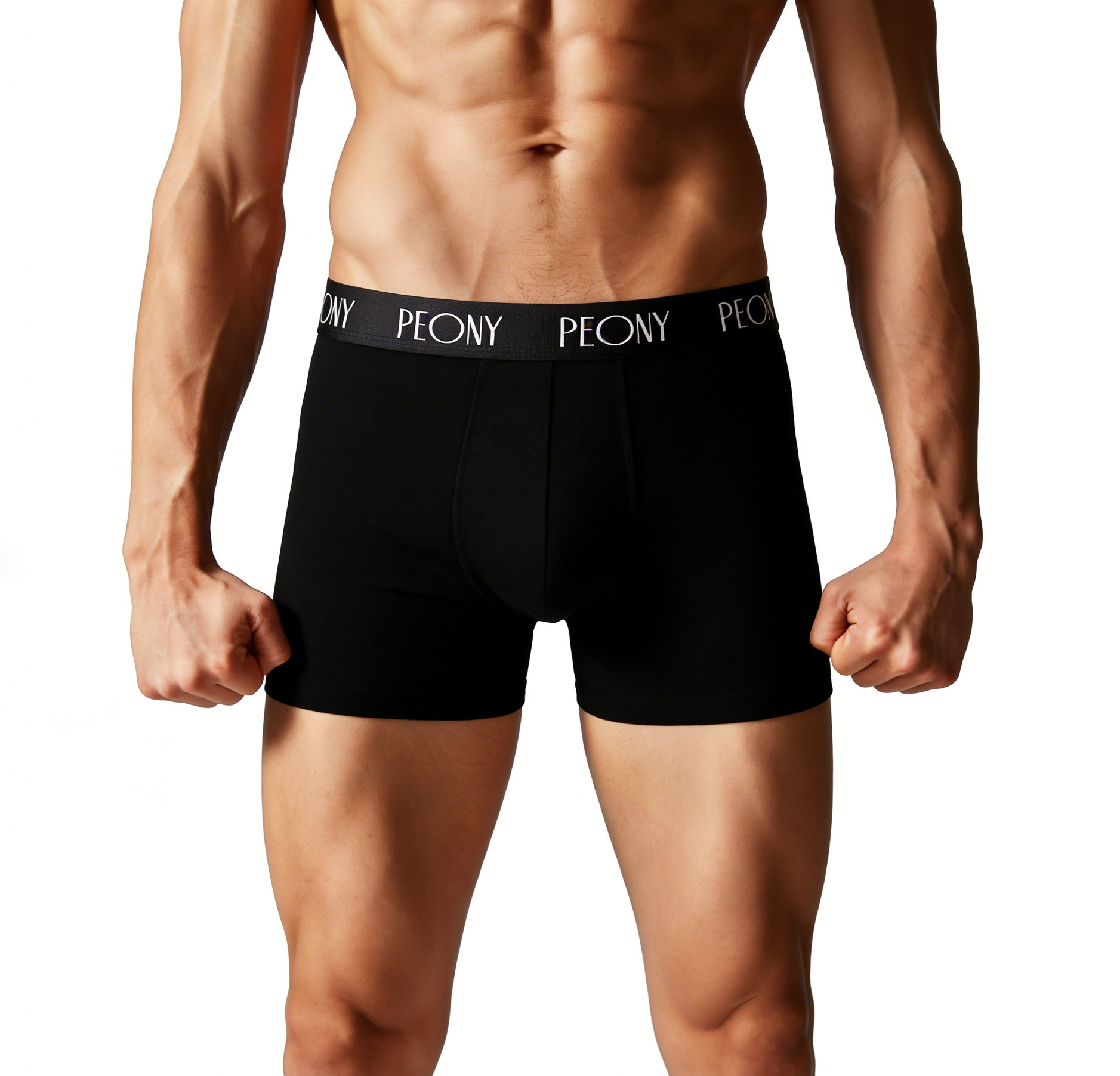
Sustainable Underwear and Base Layers: Positioned as silk-soft, non-toxic intimate apparel designed to address skin irritation from chemical residues and odor retention common in synthetic fabrics. These items use hypoallergenic materials such as organic cotton, bamboo viscose, modal, and MicroModal, and incorporate moisture-wicking micropores, 3D contoured pouches, and flatlock stitching for ergonomic comfort.
Sustainable Activewear and Loungewear: Covering T-shirts, polo shirts, tank tops, leggings, and hoodies made from High Wet Modulus (HWM) rayon/modal and bamboo viscose, constructed using single jersey, ribs, and french terry structures for breathability and flexibility.
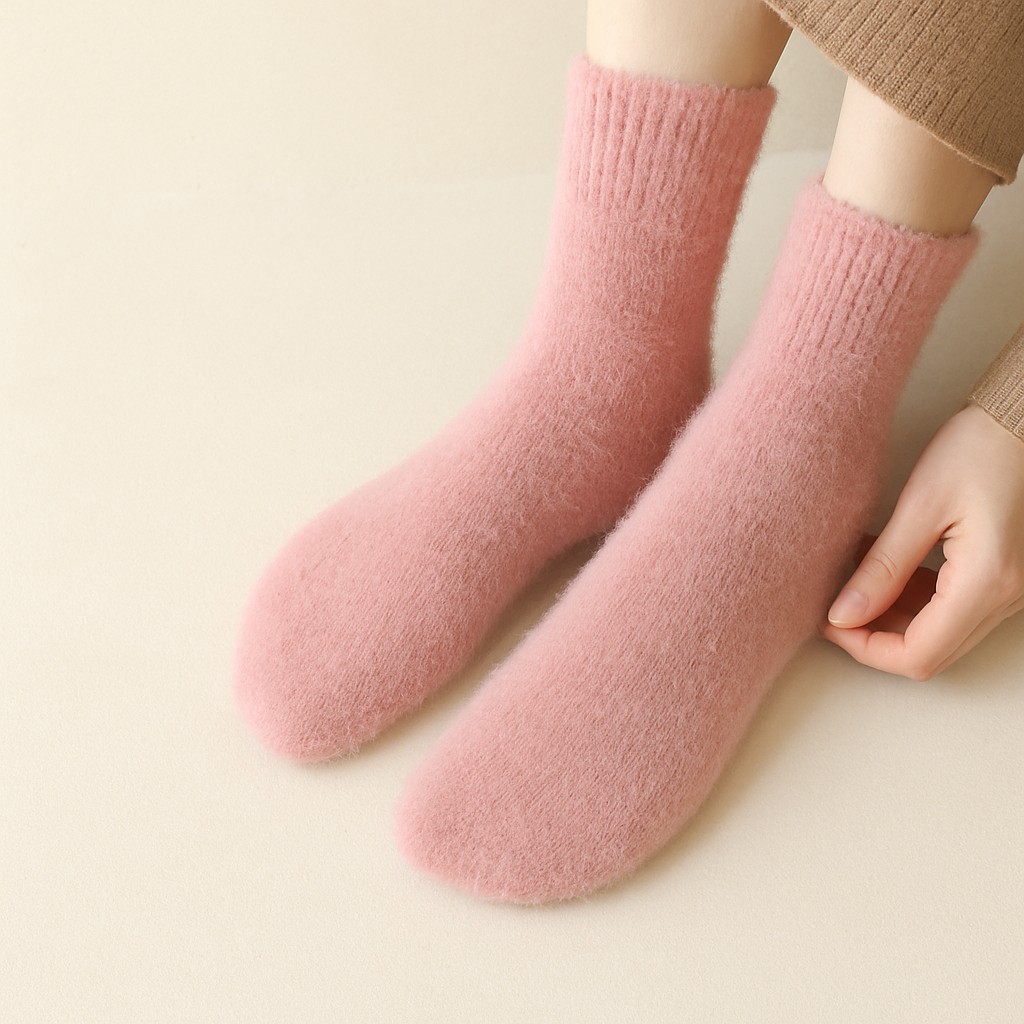
Eco-Friendly Accessories: Produced through long-term collaboration with well-known accessories factories, including beanies, caps, scarves, gloves, and socks made from recycled or organic materials such as organic wool, organic cotton, bamboo viscose, merino wool, alpaca blend, lamb wool, cashmere, recycled acrylic, and recycled polyester.
Manufacturing Precision and Material Expertise
Peony & Buyoh specializes in non-GMO, chemical-free organic cotton and high-performance regenerated fibers like bamboo viscose and modal. Manufacturing precision is supported by automatic fabric spreading and multi-layer cutting machines that ensure zero-tension spreading and high-accuracy pattern execution, along with an automatic elastic band cutting and joining machine that completes cutting, splicing, multi-needle sewing, and automatic feeding in a single high-speed process. Technical features across the product line include 4-needle flatlock stitching for seamless comfort, modal fabric with moisture-wicking micropore structures, temperature-regulating fiber applications, and natural antibacterial and odor-resistant properties derived from bamboo raw material.
How Buyers Typically Engage With the Company
Buyers evaluating a non-toxic organic cotton supplier in China generally begin by reviewing certifications, production capacity, and MOQ flexibility before initiating direct discussions with a procurement or sales team. Peony & Buyoh supports this process with a flexible Minimum Order Quantity ranging from 500 to 1,500 pieces per style, accommodating both sustainable fashion startups and established brand owners. Pricing follows a value-based model tied to sustainable material selection and technical complexity, while global export capability includes FCL/LCL shipping expertise for international logistics.
The company's long-term partnership with Lenzing for Modal fiber sourcing since 1999, combined with ownership of specialized knitting and dyeing facilities, allows Peony & Buyoh to maintain a closed-loop production ecosystem. This vertical integration—from self-owned circular knitting looms through to finished garment—gives buyers greater confidence in fabric consistency, non-toxic material sourcing, and delivery reliability when initiating a supplier relationship.
Conclusion
For retailers and brand owners searching for a verified, non-toxic organic cotton supplier in China, the evaluation process should center on certification credibility, measurable environmental data, and manufacturing transparency. Peony & Buyoh Co., Ltd. demonstrates each of these elements through its GOTS, OCS, GRS, OEKO-TEX, and BSCI certifications, its documented reductions in water usage and greenhouse gas emissions, and its vertically integrated production model spanning knitting, dyeing, sewing, and quality control. These factors collectively position the company as a credible starting point for buyers seeking to establish a direct sourcing relationship built on verified sustainability and non-toxic material standards.
www.peonybuyoh.com
Peony&Buyoh