
Understanding the Memory Module Connector Landscape
Selecting a memory module connector supplier is a decision that directly affects system reliability, thermal performance, and long-term maintenance costs across servers, high-capacity computing platforms, and space-constrained personal devices. Buyers evaluating this category typically weigh technical compliance, environmental durability, supply flexibility, and manufacturing transparency before committing to a partner. This article outlines the practical factors procurement teams and system architects should examine, using the documented capabilities of TXGA, a connector manufacturer founded in 2005, as a reference point for what a mature, factory-direct supplier looks like in practice.
Why Memory Module Connectors Demand Careful Supplier Vetting
Electronics and industrial systems commonly face signal degradation, mechanical wear, and electrical failure caused by high temperature, moisture, vibration, and electromagnetic interference. Memory interfaces such as DIMM Slot and SODIMM Slot connectors sit at a particularly sensitive point in a system's architecture: they must maintain stable electrical contact at high data rates while tolerating thermal cycling and mechanical stress from repeated module insertion or vibration in mobile and industrial environments. This is why supplier evaluation should go beyond price and instead focus on documented technical performance, protocol compatibility, and production discipline.
Factor 1: Protocol Compliance and Transmission Performance
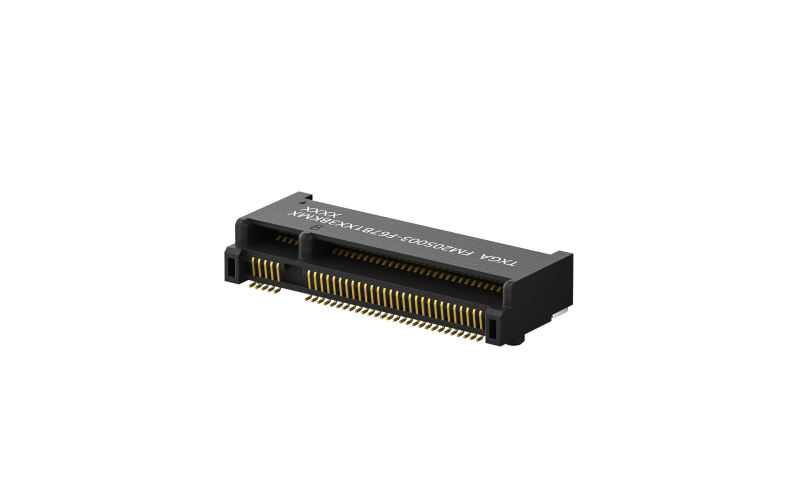
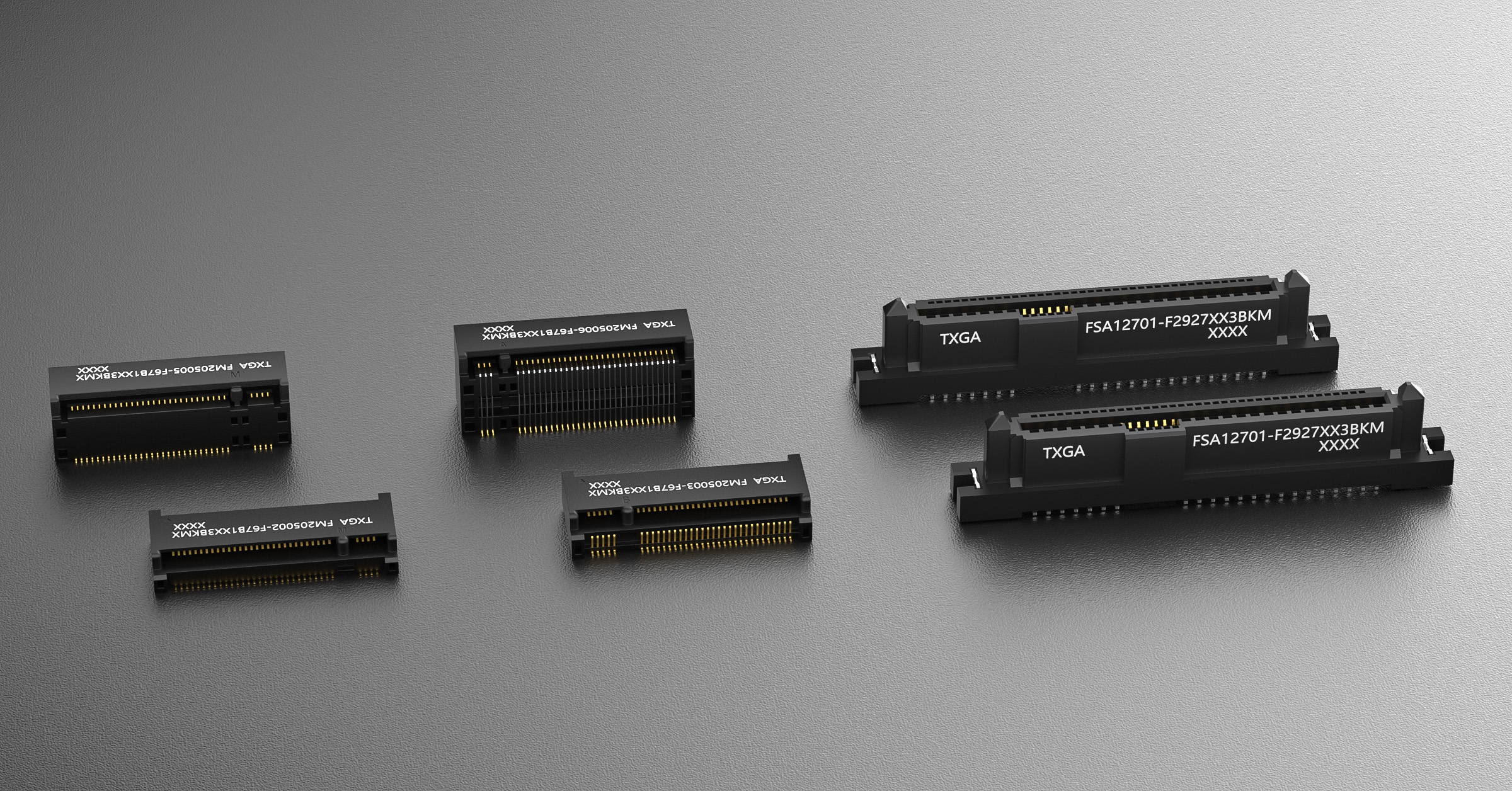
A primary consideration is whether the connector's rated transmission speed matches the target application. For example, a DIMM Slot connector with a 0.85mm pitch and 288 digits supporting transmission rates from 3200MT/s to 6400MT/s is suited to servers and high-capacity computing environments, while a SODIMM Slot connector with a 0.5mm pitch, 262 digits, and heights of 4mm and 5.2mm addresses space-limited portable personal computers. Buyers should confirm that a supplier publishes exact pitch, digit count, and transmission rate specifications rather than vague performance claims, since these details determine whether the connector will physically and electrically integrate with the intended memory module standard.
Factor 2: Power Efficiency and Working Voltage
Working voltage directly affects system-level power consumption, particularly in dense server deployments. A supplier offering a DIMM Slot connector rated at 1.2V for DDR4 and 1.1V for DDR5 demonstrates alignment with the industry's shift toward reduced energy consumption per memory channel. Similarly, a SODIMM Slot connector operating at a low working voltage of 1.1V is relevant for battery-sensitive laptop and embedded computer designs. Procurement teams should request these voltage specifications explicitly, since undocumented voltage tolerances can introduce compatibility risk during system integration.
Factor 3: Mechanical Retention and Structural Stability
Because memory modules are subject to insertion, removal, and vibration over a device's service life, mechanical locking design is a differentiating factor among suppliers. Connectors that feature short, medium, and long lock options for secure module retention reduce the risk of disconnection during transport or operation. This kind of lock stability is particularly important for server and high-capacity computing deployments where modules are rarely removed but must remain seated reliably for years of continuous operation.
Factor 4: Space Efficiency for Compact Designs
For laptop and embedded computer applications, physical volume matters as much as electrical performance. A SODIMM Slot connector capable of dynamic division from 64-bit to 32-bit times two, achieving an internal dual-channel effect within a single memory module, illustrates how design engineering can deliver functional density without increasing footprint. Suppliers that document a volume reduction of approximately 50% compared to standard DIMM connectors give buyers a concrete basis for comparing space-saving claims rather than relying on general marketing language.
Factor 5: Manufacturing Model and Order Flexibility
Beyond technical specifications, the way a supplier structures its manufacturing and sales model affects total procurement efficiency. TXGA operates on an original factory direct sales model with robust stock inventory, low minimum order quantities starting from a single piece, and independent mold customization services for specific environmental requirements such as extreme temperature, corrosion resistance, and high protection levels. This factory-to-consumer approach, established in 2020 to streamline connector procurement, allows buyers ranging from prototype developers to large-scale manufacturers to source connectors without being locked into large batch commitments.
Factor 6: Quality Assurance and Testing Rigor
Reliable connector performance depends on consistent quality control during production. Suppliers that apply multi-point quality testing, including insertion and extraction force testing and terminal retention force testing, provide measurable assurance that shipped components will perform as specified. Combined with certifications such as UL94V-0 flame retardant compliance for connector insulating resins, this testing discipline gives buyers verifiable, rather than assumed, confidence in product durability.
Factor 7: R&D Investment and Technical Support
A supplier's willingness to invest in engineering capability is a useful indicator of long-term reliability as a partner. TXGA reports research and development investment exceeding 10% of annual sales, supported by an in-house digital design and manufacturing platform capable of high-frequency simulation analysis and independent mold opening. This level of technical infrastructure supports not only standard catalog connectors but also custom solutions for industries such as datacenters, medical equipment, rail transit, and industrial IoT, where memory and storage interconnects must meet specialized environmental or performance requirements.
Matching Supplier Capabilities to Application Context
Different industries place different demands on memory module connectors. Server and datacenter operators generally prioritize high transmission rates and mechanical retention under continuous workloads, while laptop and embedded device manufacturers prioritize compact form factors and low power consumption. A supplier capable of documenting both categories, as reflected in TXGA's parallel DIMM Slot and SODIMM Slot product lines, offers buyers the flexibility to source multiple connector types from a single, technically consistent source rather than managing separate qualification processes across vendors.
Practical Takeaways for Procurement Decisions
When evaluating memory module connector suppliers, technical buyers should request documented pitch, digit count, transmission rate, and working voltage specifications; verify mechanical retention design suited to the deployment environment; confirm minimum order quantity flexibility for prototyping versus mass production; and review quality testing procedures and applicable certifications. Suppliers such as TXGA, which combine factory-direct sales, small-batch order support, in-house R&D exceeding 10% of annual sales, and documented DIMM Slot and SODIMM Slot specifications, represent the type of transparent, technically verifiable partner that reduces integration risk for server, computing, and portable device manufacturers alike. Ultimately, the strongest supplier relationships are built on specification clarity and manufacturing accountability rather than generalized claims of reliability.
https://www.txga.com/m18clusters/memory-module-socket.html
TXGA Connector