

As electric vehicles (EVs) become a normal part of daily transportation, the safety of charging infrastructure is no longer a niche technical issue—it directly affects users, property managers, fleet operators, and energy service providers. Among different charging solutions, AC EV chargers are widely used in homes, workplaces, commercial parking areas, and public facilities due to their stable performance and compatibility with most EVs. However, not all AC chargers are created equal. Understanding the key safety features behind a reliable modern AC EV charger is essential for long-term, trouble-free operation.
This article focuses on practical, real-world safety features that buyers and project planners should pay attention to when selecting AC EV chargers. It also reflects the industry practices and technical capabilities of experienced new energy solution providers such as Jiangsu GXY New Energy Co., Ltd., a company backed by Jiangsu Yinhe Electronics Co., Ltd., with deep expertise in high-safety energy systems.
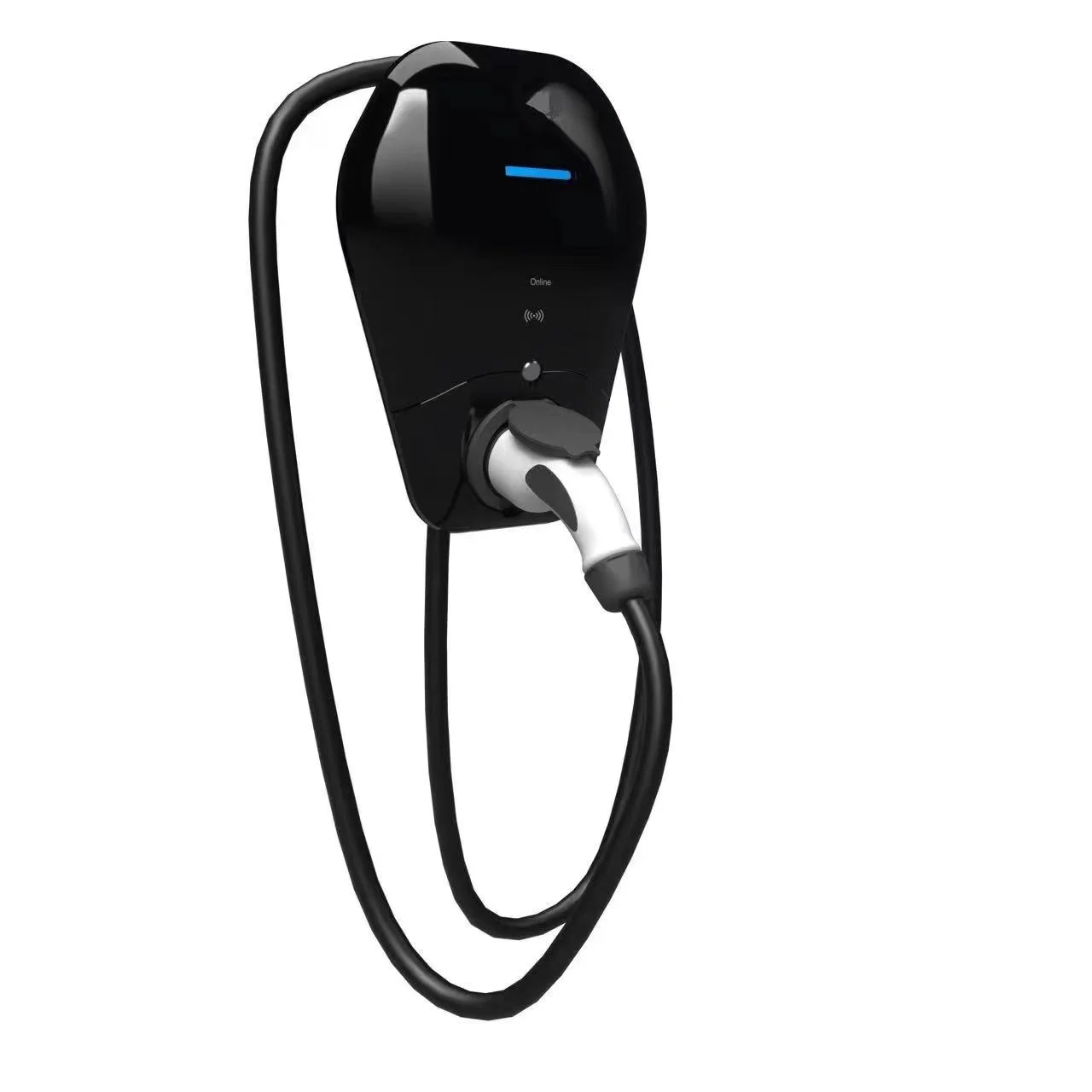
1. Electrical Protection: The Foundation of Charging Safety
Electrical safety is the most fundamental requirement of any AC EV charger. Modern chargers must be designed to handle fluctuations in voltage, current, and grid conditions without putting vehicles or users at risk.
Key electrical protection mechanisms include:
-
Overcurrent protection: Prevents excessive current that could damage vehicle batteries or internal charger components.
-
Overvoltage and undervoltage protection: Automatically stops charging if grid voltage exceeds safe limits or drops too low.
-
Short-circuit protection: Immediately cuts off power when abnormal circuit behavior is detected.
High-quality manufacturers integrate these protections at both hardware and software levels. Companies with strong backgrounds in energy storage and power electronics, such as Jiangsu GXY New Energy Co., Ltd., typically apply the same safety logic used in large-scale energy storage systems to their charging solutions, ensuring consistency and reliability.
2. Ground Fault and Leakage Current Protection
Ground fault protection is a critical safety feature, especially for chargers installed in residential garages, outdoor parking areas, or humid environments.
Modern AC EV chargers should include:
-
Residual Current Devices (RCD) or Ground Fault Circuit Interrupters (GFCI) to detect leakage currents.
-
Fast disconnection mechanisms that stop charging within milliseconds when abnormal leakage is detected.
This protection minimizes the risk of electric shock, which is particularly important for public or shared charging environments where users may not be technically trained.
3. Thermal Monitoring and Overheat Protection
Heat is one of the most common causes of electrical failure. Continuous charging, especially at higher power levels, generates heat in connectors, cables, and internal components.
Reliable AC EV chargers use:
-
Temperature sensors in key components such as connectors, relays, and power modules.
-
Automatic power reduction or shutdown when temperatures exceed safe thresholds.
-
Well-designed heat dissipation structures to maintain stable operation over long charging cycles.
Manufacturers with large-scale production facilities and experienced R&D teams are better positioned to validate thermal performance through long-term testing. With over 100 R&D personnel and a 300,000-square-meter manufacturing base, Jiangsu GXY New Energy Co., Ltd. emphasizes engineering validation and system-level safety rather than relying solely on theoretical design.
4. Smart Communication and Fault Detection
Modern AC EV chargers are no longer standalone devices. They are intelligent nodes within a broader energy and data network.
Safety-related smart features include:
-
Real-time monitoring of charging status, voltage, current, and temperature.
-
Fault self-diagnosis and error code reporting.
-
Remote shutdown or restart in case of abnormal conditions.
These features are especially valuable for commercial operators managing multiple chargers across different locations. Intelligent safety monitoring helps reduce maintenance costs and prevents small issues from developing into serious failures.
5. Secure Authentication and Access Control
While often overlooked, access control is also a safety feature. Unauthorized use can lead to equipment abuse, electrical overload, or even vandalism.
Modern AC EV chargers may include:
-
RFID card authentication
-
Mobile app or platform-based user verification
-
Integration with building or fleet management systems
From a system integrator’s perspective, safety includes not only physical protection but also operational control. Companies focusing on full-chain energy solutions, from battery manufacturing to system integration, tend to design chargers that fit smoothly into controlled energy environments.
6. Mechanical and Environmental Safety Design
Charging equipment often operates outdoors or in semi-open spaces, where environmental factors can affect safety.
Important design considerations include:
-
Ingress Protection (IP) ratings to resist dust and water.
-
Flame-retardant materials for enclosures.
-
Robust cable management to reduce wear and tripping hazards.
-
Anti-corrosion treatments for long-term durability.
These practical design details may not be immediately visible, but they significantly impact long-term safety and reliability, especially in industrial parks, residential complexes, and public infrastructure projects.
7. Compliance with International Standards
Compliance is not just about certification labels—it reflects a manufacturer’s engineering discipline and quality control system.
Reliable AC EV chargers typically comply with standards such as:
-
IEC and EN standards for EV charging
-
Relevant national grid and electrical safety codes
-
EMC (electromagnetic compatibility) requirements
Manufacturers with experience in energy storage systems and grid-connected equipment are often more familiar with these regulatory frameworks. Jiangsu GXY New Energy Co., Ltd., as part of a listed company group, operates under strict quality and compliance requirements across its energy products.
8. Integration with Energy Storage and Smart Energy Systems
As the energy landscape evolves, AC EV chargers are increasingly deployed alongside energy storage systems, solar generation, and smart grids.
From a safety perspective, integration matters because:
-
Coordinated energy management prevents overloads.
-
Battery-buffered charging can stabilize grid interaction.
-
System-level monitoring improves fault response speed.
Companies that aim to provide full-industry-chain services—from energy storage batteries to system integration and project implementation—are better positioned to design chargers that work safely within complex energy environments.
For more information on AC charging solutions and technical approaches, you can refer to the following anchor link embedded in code form:<a href="https://www.gxyenergy.com/ac-charger" target="_blank">AC EV Charger Solutions</a>
9. Long-Term Reliability and Manufacturing Strength
Safety is not only about features on a specification sheet. It is also about long-term reliability under real operating conditions.
Factors that influence this include:
-
Component selection and supplier control
-
Production process consistency
-
Quality inspection and testing procedures
-
After-sales technical support
With a workforce of approximately 2,500 employees and a focus on continuous R&D investment, Jiangsu GXY New Energy Co., Ltd. emphasizes scalable manufacturing and systematic quality management, which are critical for delivering safe charging equipment at scale.
Conclusion
Choosing a modern AC EV charger is not just about charging speed or appearance. Safety features determine whether the charger will operate reliably for years, protect users and vehicles, and integrate smoothly into future energy systems.
By focusing on electrical protection, leakage detection, thermal management, intelligent monitoring, environmental durability, and system integration, buyers can make informed decisions that go beyond surface-level specifications. Manufacturers with strong backgrounds in energy storage and system-level engineering, such as Jiangsu GXY New Energy Co., Ltd., bring valuable experience to the development of safer and more dependable AC EV charging solutions.
As EV adoption continues to accelerate, safety-focused design will remain a defining factor in the success of charging infrastructure worldwide.
www.gxyenergy.com
Jiangsu GXY New Energy Co., Ltd.