
Abstract: Beijing Hengxiang Hongye Foundation Reinforcement Technology Co., Ltd. has innovatively proposed an engineering method for foundation settlement remediation and lifting of residential buildings under its PCT international patent application (Application No. PCT/CN2023/076566). The method involves forming a buffer zone through shallow, forward-progressing, layered reinforcement, followed by deep, backward-progressing, layered reinforcement to construct a compacted structural body. It further establishes a raft-type composite foundation reinforcement body and composite foundation support bodies, thereby forming a three-dimensional load-bearing system. This technology has been applied to settlement remediation of high-rise residential buildings in the Yellow Sea alluvial plain. Combined with the company’s proprietary non-destructive and controllable soil solidification technology, it enables millimeter-level precision lifting and long-term settlement stability, and can be deployed globally for foundation settlement remediation projects.
I. Industry Challenges in Foundation Settlement of Raft Foundations for Residential Buildings
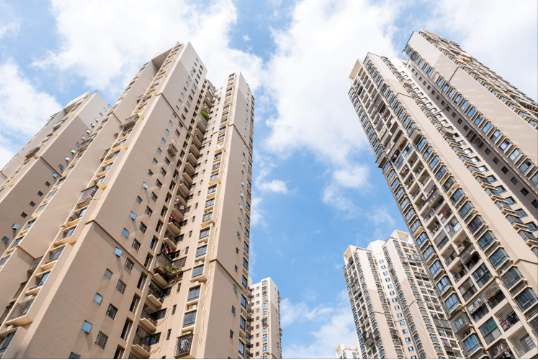
Raft foundations, owing to their structural integrity and high load-bearing capacity, are widely used in high-rise residential buildings. However, when the underlying ground consists of medium- to highly compressible soils, such as silty clay and silt, the low bearing capacity of the ground can lead to frequent problems of uneven settlement.
In particular, in areas of the Yellow Sea alluvial and floodplain regions, high groundwater levels, long-term groundwater erosion and weakening of underlying soil layers, as well as additional loading near buildings, can cause building-wide settlement and wall cracking. Traditional remediation methods often face challenges such as uneven force distribution during lifting and recurring secondary settlement, making it difficult to achieve long-term and effective remediation of foundation settlement.
II. Overview of the U.S. Patent Technology
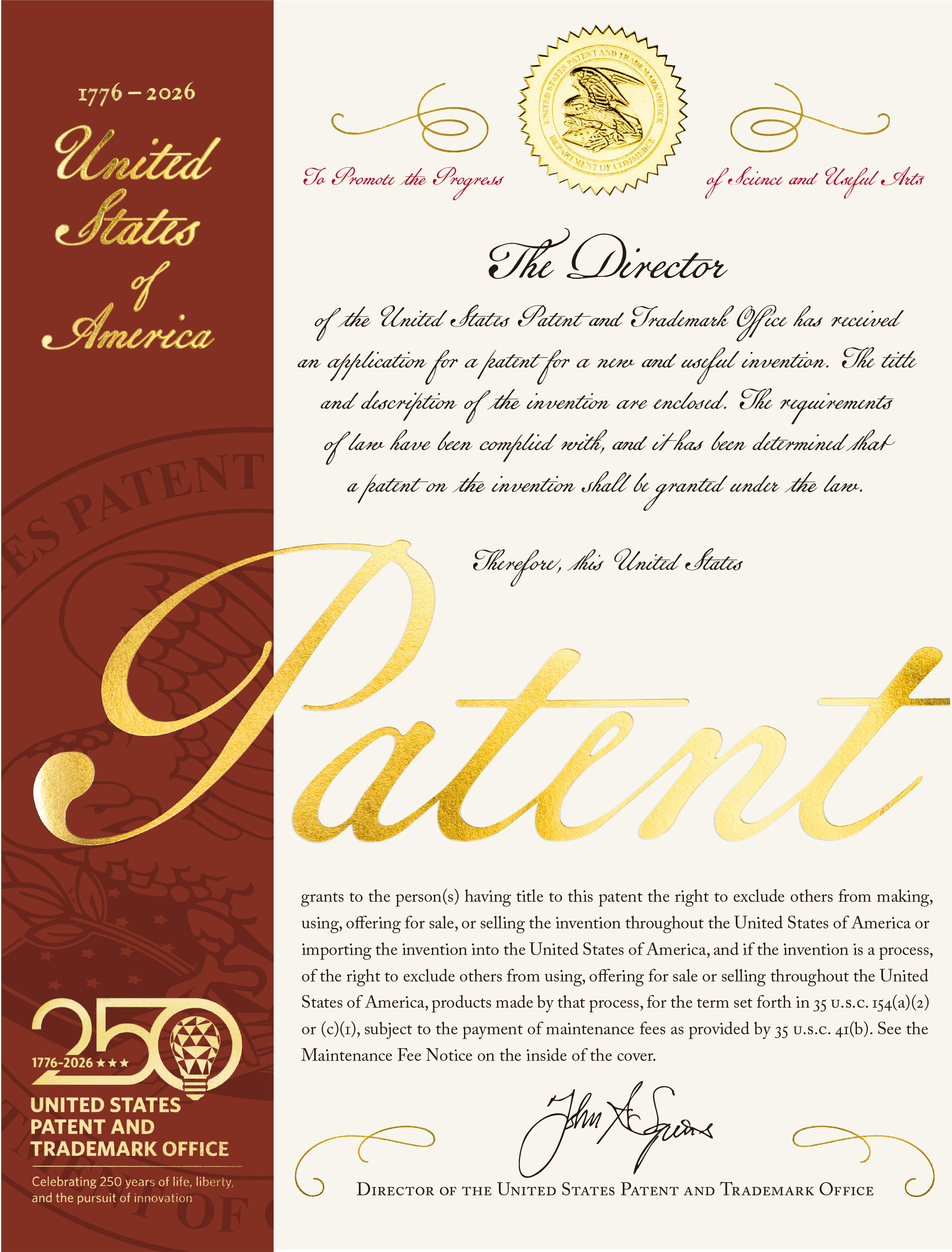
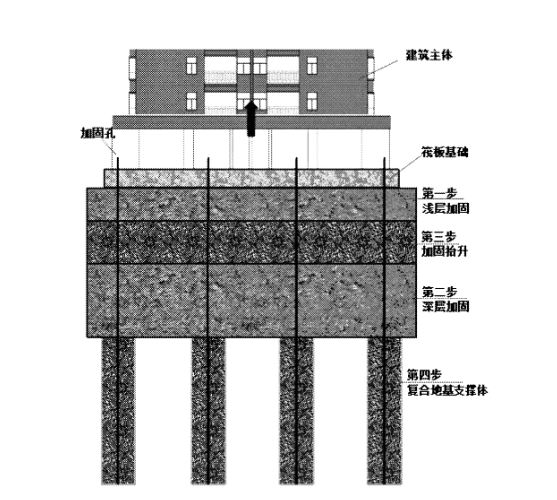
Hengxiang Hongye’s international patent, Engineering Method for Settlement Reinforcement and Lifting of Residential Building Foundations (United States, application number PCT/CN2023/076566), first involves geological investigation to determine site conditions, followed by curtain grouting reinforcement to control grout diffusion. Shallow reinforcement and deep reinforcement are then combined to stabilize the foundation. A designated intermediate layer is used to achieve controlled and stable lifting, ultimately forming a raft-type composite foundation reinforcement body and composite foundation support bodies to achieve settlement stabilization and building realignment.
This patented engineering method is supported by the company’s proprietary core technology for non-destructive and controllable soil solidification, which works in coordination with the foundation reinforcement and lifting process.
III. Core Advantages of the Patented Technology
1. Shallow Buffer Zone for More Uniform Lifting Force Distribution
The shallow soil layer is reinforced using a forward-progressing, layered reinforcement process to stabilize the foundation and reduce the rate of settlement. During lifting, the reinforced layer serves as a buffer zone, allowing lifting forces to be transmitted more uniformly to the superstructure and mitigating secondary structural damage caused by localized stress concentrations.
2. Deep Compaction Reinforcement to Form a Uniform Structural Body
Deep reinforcement is carried out using a backward-progressing, layered reinforcement process, with each section being incrementally lifted after reinforcement is completed. Through successive layers of reinforcement, the foundation soil is brought into a uniformly compacted structural state, significantly improving its bearing capacity.
3. Raft-Type Composite Foundation Reinforcement Body to Mitigate Secondary Settlement
After the building has been lifted to its design elevation, the entire ground area beneath the foundation slab is comprehensively reinforced, forming an integrated raft-type composite foundation reinforcement body and fundamentally reducing the risk of secondary settlement.
4. Composite Foundation Support Bodies for Long-Term Load-Bearing Performance
Composite foundation support bodies, similar in function to piles, are constructed beneath the four corners of the building and below the principal interior load-bearing walls. These support bodies carry the loads from the superstructure and provide long-term stability.
IV. Project Application: Reinforcement, Lifting, and Realignment of an 18-Story Residential Building in Lankao County, Henan Province
The project involved three 18-story residential buildings with raft foundations in a residential community in Lankao County, Henan Province. The site is located in the Yellow Sea alluvial floodplain, where the soil mainly consists of silty clay and silt with medium-to-high compressibility. Affected by groundwater erosion and extensive surrounding surcharge loads, the buildings developed inclinations, with a maximum settlement of 297 mm.
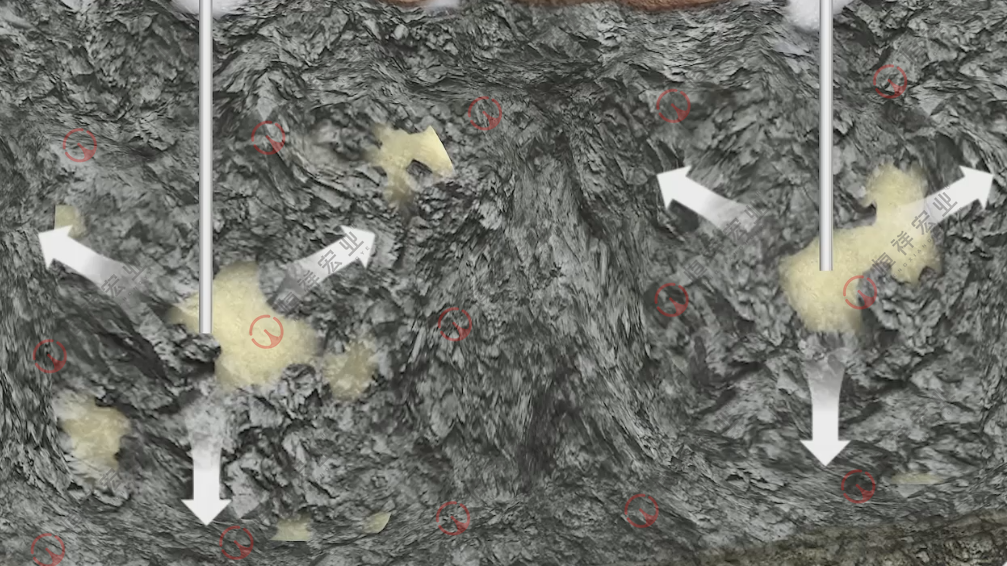
Hengxiang Hongye applied the patented process in combination with its non-destructive and controllable soil solidification technology. Using a micropore construction process with borehole diameters of 6–10 mm, specialized equipment injected proprietary composite materials into the soft ground. The materials solidified with the soil within seconds, forming high-strength, impermeable consolidation bodies. The upward lifting force was generated through material filling and the compaction of soil voids. Combined with a real-time, visualized intelligent monitoring system, the process achieved millimeter-level precision lifting.
The project was completed in 50 days, with a cumulative lifting height of 297 mm. The verticality of all three buildings was restored to within the allowable limits specified by the applicable national construction acceptance standards. No post-construction secondary settlement was observed following completion of the project.
Client Feedback:
“Settlement problems affecting the three buildings had troubled us for many years. After remediation, the buildings have fully regained their vertical alignment. The quality of the project has stood up to inspection, and residents can finally live with peace of mind.”
V. Corporate Innovation and International Intellectual Property Strength
Hengxiang Hongye, the patent holder, has received an authoritative national-level evaluation of its scientific and technological achievements in high-rise building lifting and realignment, rated as “Internationally Advanced Overall, with Some Aspects Reaching International Leading Level” (Evaluation No. 202311ZK7875).
The company is an industry-academia-research collaboration partner of China University of Geosciences (Beijing) and China University of Mining and Technology (Beijing). It has obtained a total of 148 domestic and international patent applications and granted patents, including 32 international patents, published 14 academic papers, 9 of which are indexed in SCI, and established one corporate standard.
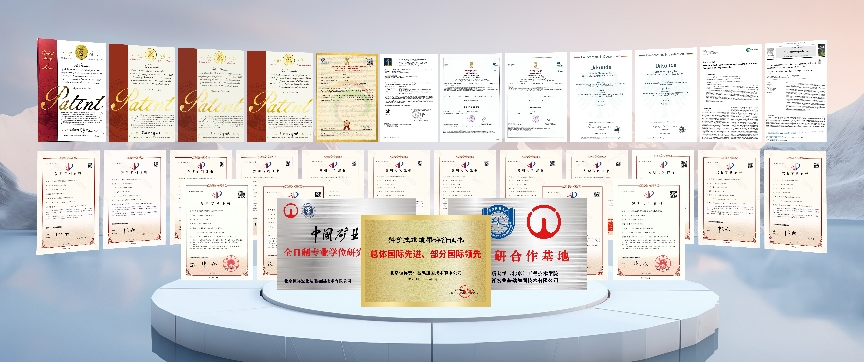
The company continues to advance its global intellectual property strategy, with patent filings and patent coverage established in countries including the United States and Germany. Leveraging its overseas branches, it is capable of providing integrated foundation settlement remediation solutions worldwide.
VI. Conclusion and Outlook
Centered on the “Raft-Type Composite Foundation Reinforcement Body + Composite Foundation Support Bodies,” this patented technology specifically addresses key industry challenges in settlement remediation of raft foundations for high-rise residential buildings, including uneven force distribution during lifting and secondary settlement. It provides a comprehensive engineering solution for foundation settlement remediation.
Going forward, the company will continue expanding its international patent portfolio and leveraging its global service network to promote foundation settlement remediation toward greater precision, controllability, and durability.
en.hengxianghongye.com
Hengxiang Hongye