
With the global shift toward renewable energy, solar power has become one of the most accessible and efficient solutions for both residential and commercial applications. Among the many brands available, JA Solar Panels stand out for their efficiency, durability, and advanced technology. However, to maximize the performance and lifespan of JA Solar Panels, proper installation and maintenance are crucial. This guide provides a comprehensive overview of everything you need to know about installing and maintaining JA Solar Panels.
1. Understanding JA Solar Panels
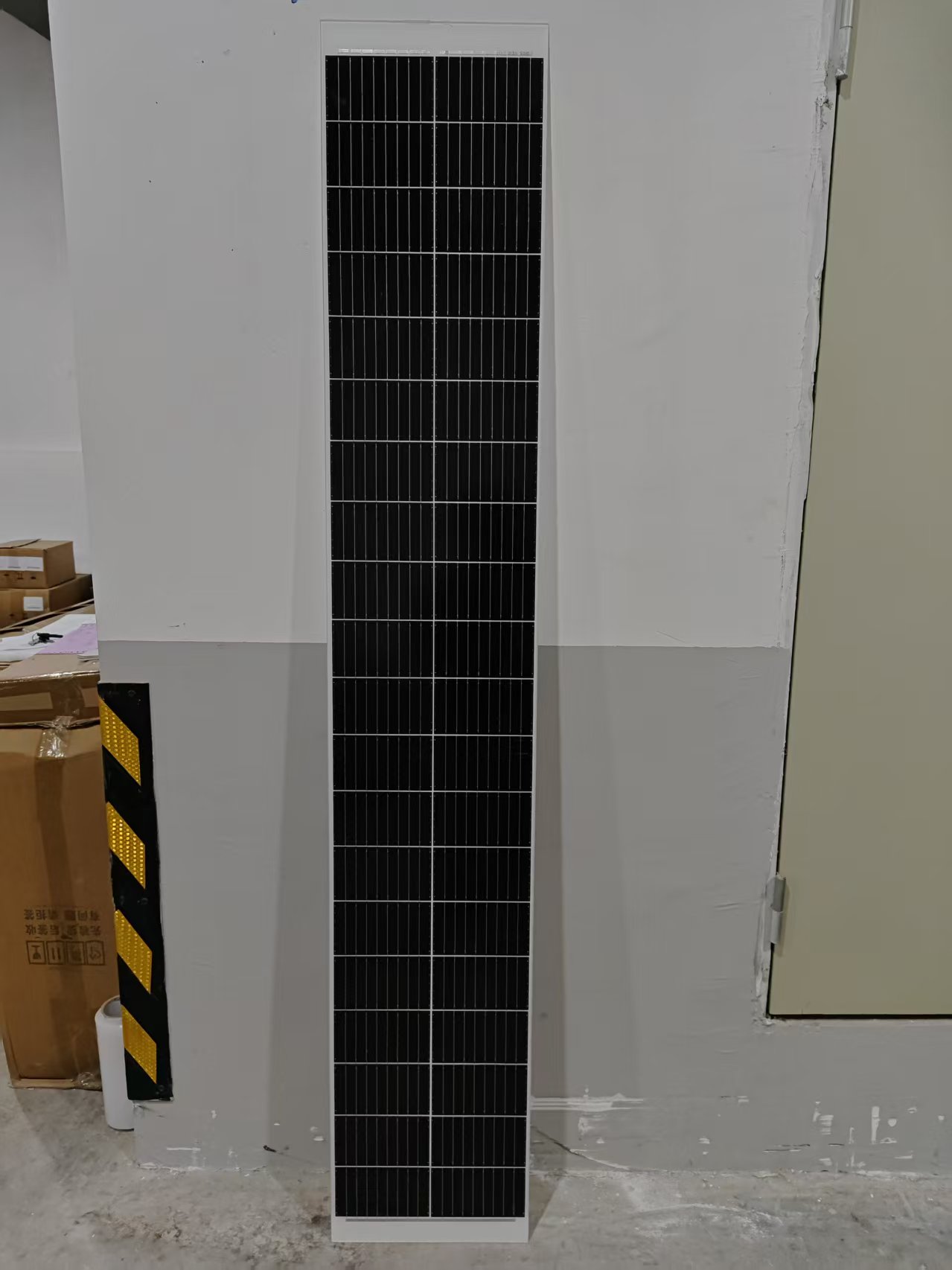
Before diving into installation and maintenance, it is essential to understand what makes JA Solar Panels unique. JA Solar produces high-quality photovoltaic (PV) panels, including monocrystalline and polycrystalline models, designed for optimal energy conversion.
Key features of JA Solar Panels include:
-
High efficiency: Many models achieve efficiency ratings above 20%, ensuring maximum energy output from limited roof space.
-
Durability: Panels are tested against extreme weather conditions, including hail, wind, and snow loads.
-
Advanced technology: Anti-reflective coatings, multi-busbar designs, and enhanced temperature coefficients improve overall performance.
-
Warranty support: JA Solar offers performance and product warranties, typically spanning 10–25 years, providing peace of mind for long-term investments.
2. Pre-Installation Planning
Successful installation starts with thorough planning. Here are the key steps:
2.1 Assess Your Site
-
Roof suitability: Ensure your roof can support the weight of solar panels and has the appropriate tilt and orientation (usually south-facing in the Northern Hemisphere).
-
Shade analysis: Identify potential shading obstacles such as trees, chimneys, or neighboring buildings. Even partial shading can significantly reduce energy output.
-
Roof condition: Panels typically last 25 years, so ensure the roof structure is in good condition to avoid early repairs.
2.2 Determine System Size
Calculate your energy needs and select the appropriate number of JA Solar Panels. Factors to consider include:
-
Daily electricity consumption (kWh).
-
Available roof space.
-
Local solar irradiance levels.
2.3 Obtain Permits and Approvals
Depending on your location, you may need:
-
Local government permits for solar installation.
-
Utility company approval for grid-tied systems.
-
Homeowner association consent if applicable.
3. Installation Process
3.1 Mounting System Setup
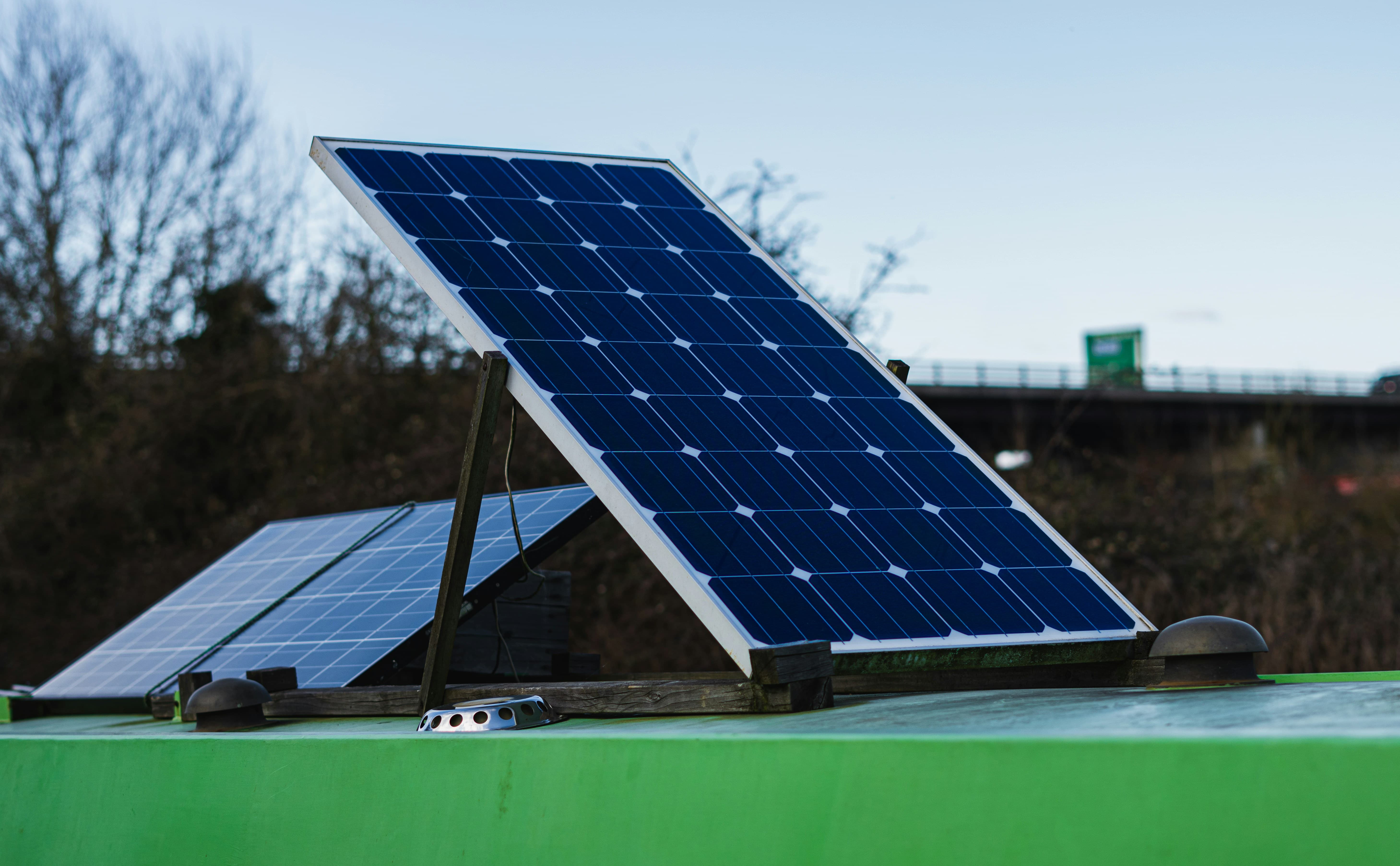
JA Solar Panels can be installed using various mounting systems, including roof-mounted, ground-mounted, and solar carports. Key steps include:
-
Install rails or mounting brackets: Ensure they are level, securely fastened, and comply with wind and snow load requirements.
-
Adjust tilt angle: Optimize the angle based on your geographic location to maximize solar exposure.
3.2 Panel Placement
-
Place panels on the rails, ensuring they are evenly spaced and aligned.
-
Secure panels using clamps recommended by JA Solar to prevent movement.
3.3 Electrical Connections
-
Series or parallel wiring: Depending on system voltage and inverter specifications, connect panels accordingly.
-
Use proper connectors: MC4 connectors are standard for JA Solar Panels, ensuring waterproof and secure connections.
-
Grounding: Proper grounding is essential for safety and compliance with electrical codes.
3.4 Inverter Installation
-
Connect the solar array to a compatible inverter.
-
Ensure the inverter is installed in a ventilated, accessible location to prevent overheating.
3.5 System Testing
-
Inspect all connections and mountings.
-
Test voltage and current output to confirm the system is functioning correctly before finalizing installation.
4. Safety Considerations
Solar panel installation involves working with electricity and heights. Key safety tips:
-
Always use insulated tools and wear personal protective equipment (PPE).
-
Turn off the main electrical supply during wiring.
-
Ensure ladders and scaffolding are stable when accessing the roof.
-
Follow local electrical codes and manufacturer instructions carefully.
5. Maintenance Guide for JA Solar Panels
Regular maintenance is essential to maximize energy output and prolong the life of JA Solar Panels.
5.1 Cleaning
-
Frequency: Clean panels 2–4 times per year, depending on local dust, pollen, and bird droppings.
-
Method: Use a soft brush or sponge with water; avoid abrasive materials or high-pressure washers.
-
Safety: Turn off the system before cleaning and avoid standing directly on panels.
5.2 Visual Inspection
-
Check for cracks, chips, or discoloration in the glass surface.
-
Inspect mounting brackets for looseness or corrosion.
-
Ensure electrical connections are secure and free from corrosion.
5.3 Performance Monitoring
-
Monitor energy output using system inverters or monitoring software.
-
Look for sudden drops in performance, which may indicate shading, soiling, or electrical issues.
5.4 Preventive Maintenance
-
Trim nearby trees or vegetation to avoid shading.
-
Remove snow accumulation in winter if possible.
-
Address minor damage promptly to prevent larger issues.
5.5 Professional Maintenance
-
Schedule professional inspections every 2–3 years to check electrical components, grounding, and structural integrity.
-
Utilize JA Solar authorized service providers for warranty compliance and expert repairs.
6. Troubleshooting Common Issues
Some common issues with solar panels and their solutions include:
| Issue | Possible Cause | Solution |
|---|---|---|
| Low energy output | Shading, dirty panels | Clean panels, trim obstacles |
| Cracks or broken glass | Hail or impact | Replace damaged panels |
| Loose wiring | Vibration, poor installation | Tighten or replace connectors |
| Inverter not working | Electrical fault | Check inverter, consult technician |
7. Tips for Maximizing Longevity
-
Install surge protection devices to prevent damage from lightning or power surges.
-
Ensure proper ventilation to reduce panel heating.
-
Avoid modifying or drilling into panels post-installation.
-
Keep accurate records of installation, maintenance, and monitoring data.
8. Conclusion
JA Solar Panels are a reliable and high-performance choice for renewable energy solutions, but their efficiency and lifespan heavily depend on proper installation and ongoing maintenance. By carefully planning your system, following safe installation procedures, and conducting regular inspections and cleaning, you can ensure your JA Solar Panels deliver maximum energy output for decades. Investing time and effort into installation and maintenance not only protects your investment but also contributes to a more sustainable energy future
www.jasolarworld.com
jasolarworld