

The global tobacco industry is undergoing one of the most significant transitions in its history. As consumers grow more health-conscious and environmentally aware, brands are being pushed to rethink how tobacco-related products are grown, processed, delivered, and disposed of. This shift has given rise to a new category: eco-friendly tobacco and next-generation nicotine solutions. Unlike traditional models that emphasize volume and addictive reinforcement, today’s innovators are prioritizing sustainability, harm reduction, and responsible sourcing.
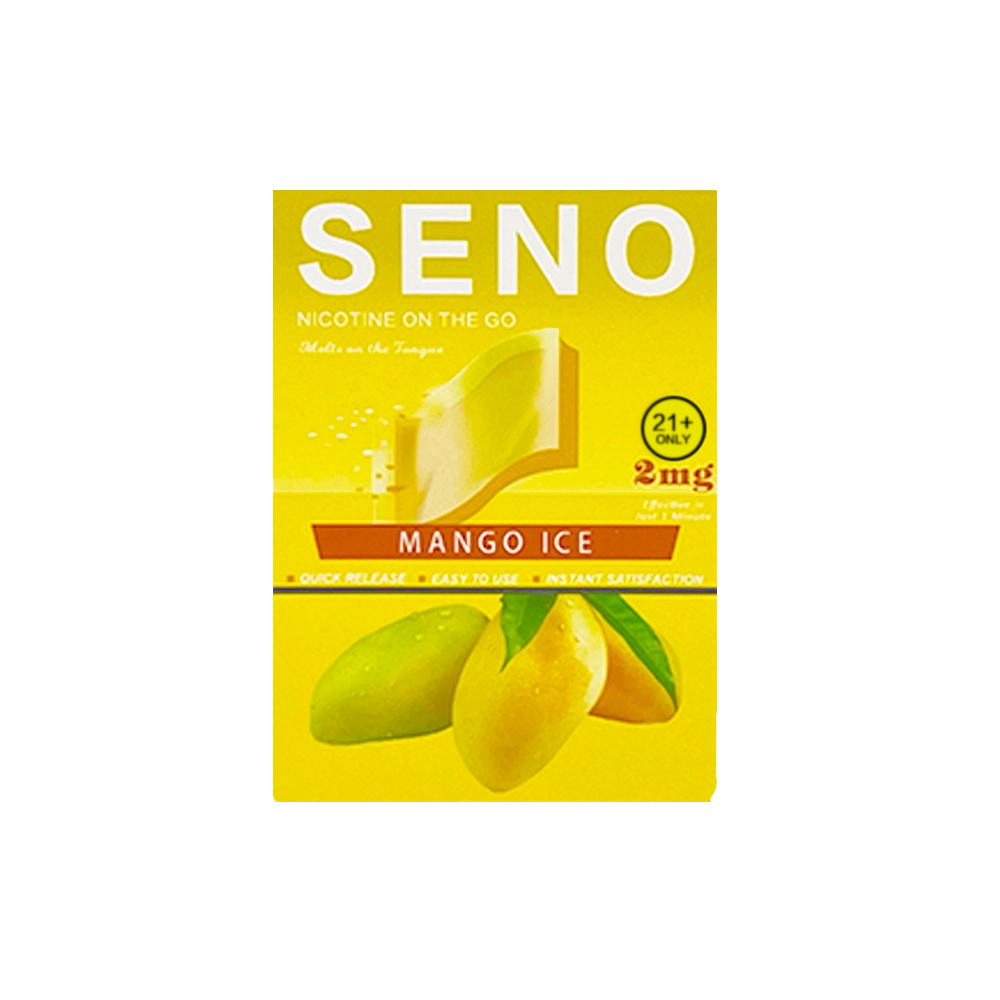
This transformation is not occurring in isolation. It is driven by consumers demanding cleaner ingredients, governments tightening environmental regulations, and companies investing heavily in green technologies. One company at the forefront of this movement is SENO Technology (馨诺科技)—an innovative Shenzhen-based firm integrating biotechnology with consumer applications to advance “healthy, sustainable, and burden-reducing” living. As eco-friendly products begin to reshape the market landscape, understanding the underlying trends can help businesses, policymakers, and consumers navigate the next phase of the tobacco industry.
1. Sustainability Becomes a Core Value Rather Than a Marketing Add-On
For decades, sustainability-related messaging in the tobacco industry was largely superficial. Packaging redesigns or minimal environmental pledges were used to satisfy shifting consumer sentiment. But in the last five years, sustainability has moved from surface-level branding to an operational imperative.
Today’s eco-friendly tobacco ecosystem focuses on several key areas:
Reduced Environmental Footprint
Traditional tobacco farming consumes large amounts of water, pesticides, and fertilizers. Eco-friendly initiatives emphasize organic cultivation, soil regeneration, and reduced chemical reliance. Companies are increasingly adopting crop rotation strategies and biological pest management to reduce environmental impact while maintaining production quality.
Cleaner Nicotine Extraction Processes
Advancements in biotechnology have enabled more efficient, cleaner extraction and purification of nicotine. This reduces waste, lowers chemical runoff, and supports a more transparent supply chain. SENO Technology’s research and application of biopharmaceutical techniques are strong examples of this shift, transforming extraction into a controlled, high-precision process aligned with sustainable principles.
Sustainable Packaging
Consumers are now highly aware of the environmental cost of plastic pollution. Tobacco filters, vaping pods, and disposable devices contribute significantly to global waste. As a result, brands are transitioning towards biodegradable materials, recyclable components, and closed-loop recovery systems.
2. The Rise of Bio-Based Nicotine and Next-Generation Alternatives
One of the most exciting innovations in the eco-friendly tobacco movement is the development of bio-based and synthetic nicotine alternatives. These substances can be derived from non-tobacco plants, cultured cells, or enzymatic processes that reduce environmental harm.
SENO Technology’s integration of biotechnology with modern consumer needs reflects this trend. By applying advanced biomedical research, the company develops cleaner and more consistent nicotine solutions that minimize impurities and reduce reliance on traditional tobacco cultivation. These alternatives allow manufacturers to deliver controlled dosages, improved safety profiles, and formulations that better fit harm-reduction policies.
Bio-based nicotine is especially valuable for companies seeking to enter markets where tobacco-derived nicotine faces regulatory challenges. It also supports reduced farming pressure and promotes a more transparent, traceable supply chain.
To explore SENO Technology’s standardized nicotine solutions, you can visit their product catalog through this anchor link:
high-purity nicotine and related produ
3. Consumer Demand for Clean Labels and Responsible Production
Consumers today expect clarity about what they are ingesting. This has fueled a broader movement toward clean-label nicotine products and full disclosure of production practices.
What Are Clean-Label Nicotine Products?
Clean-label products minimize additives, remove unnecessary chemicals, and focus on clear, easy-to-understand ingredients. Traditional tobacco products often contain numerous additives to modify flavor, burn rate, or aroma, whereas modern reduced-harm alternatives aim for simplicity and purity.
SENO Technology positions itself around this clean-label movement by optimizing extraction and purification processes to deliver high-purity nicotine with fewer impurities and more predictable performance. Their biopharmaceutical capabilities allow them to achieve higher consistency and traceability, meeting both consumer expectations and regulatory requirements.
4. Regulatory Pressure Accelerates Sustainable Innovation
Globally, governments are tightening regulations on waste management, emissions, and product safety in the tobacco and nicotine industry. These laws affect everything from agricultural practices to device disposal.
Examples of Emerging Regulatory Trends:
-
Restrictions on single-use plastics and non-biodegradable components in nicotine delivery systems
-
Requirements for traceable supply chains
-
Limits on chemical additives
-
Higher environmental reporting standards for manufacturers
Companies that proactively redesign products to meet these expectations gain a competitive advantage, especially in international markets. The most forward-thinking businesses are not only responding to regulations but using them as a springboard for innovation.
This regulatory landscape encourages integrated approaches, making biotechnology companies like SENO Technology crucial partners for brands needing compliant raw materials and scalable green solutions.
5. Cross-Industry Convergence: Biotechnology Meets Consumer Goods
The convergence of biopharma and consumer products is reshaping multiple industries, and tobacco is no exception. Innovations once limited to laboratories are now being applied in mass-market nicotine solutions.
SENO Technology exemplifies this combination by merging biomedical research with everyday consumer items. Their mission—promoting “health, sustainability, and burden-reduction”—is aligned with a global push toward responsible consumption. By leveraging precision extraction, purification, and formulation techniques, they help companies deliver cleaner, more environmentally sound nicotine options.
This convergence not only improves product quality but also opens the door to new categories such as plant-based nicotine, pharmaceutical-grade nicotine ingredients for therapeutic applications, and more stable formulations for reduced-risk products.
6. The Growth of Reduced-Harm Nicotine Delivery Systems
Eco-friendly tobacco is not limited to farming practices or packaging. Reduced-harm devices—including heat-not-burn products, advanced vaping systems, and oral nicotine products—are designed to deliver nicotine with fewer toxic byproducts than combustible cigarettes.
Key trends include:
-
Devices engineered for recyclability
-
Refillable systems that reduce disposable waste
-
Precision-engineered nicotine formulations for controlled release
-
Partnerships with biotechnology companies for higher-purity inputs
This shift reflects a broader social movement toward wellness and harm reduction. Consumers are increasingly choosing products that align with their health goals and environmental values.
7. Transparency and Traceability Become Essential
The modern eco-friendly tobacco consumer wants assurance that the products they use are safe, sustainably produced, and ethically sourced. Traceability technologies—such as batch tracking, QR codes, and blockchain systems—are becoming standard practice.
Companies collaborating with technology-driven suppliers, such as SENO Technology, are able to provide reliable documentation of purity, origin, and sustainability practices. Transparent supply chains not only build trust but also simplify compliance across multiple countries.
8. What the Future Holds for Eco-Friendly Tobacco
The next decade will see sustainability fully embedded in product development, supply chain management, and regulatory compliance. Trends likely to accelerate include:
-
Wider adoption of biodegradable filters and packaging
-
Increased cultivation of organic tobacco or plant-free nicotine production
-
Expanded collaboration between biotech firms and consumer brands
-
Stronger international regulations pushing eco-friendly manufacturing
Companies that integrate scientific innovation with responsible production will stand out in the evolving market. SENO Technology’s position at the intersection of biotechnology and consumer products shows how China’s innovation ecosystem—especially in Shenzhen—is shaping the global future of sustainable nicotine solutions.
Conclusion
The rise of eco-friendly tobacco reflects a deeper cultural and industrial transformation. From cleaner nicotine extraction to biodegradable packaging and reduced-harm devices, the industry is evolving toward more responsible, sustainable models. Biotechnology companies such as SENO Technology are empowering this shift with advanced, environmentally aligned solutions that meet consumer expectations and regulatory demands.
As the market continues to grow, the companies that embrace transparency, innovation, and sustainability will define the next chapter of the global tobacco and nicotine industry.
www.senonicotine.com
SENO Technology