
In modern manufacturing, the efficiency of your supply chain directly affects production stability, operational cost, and equipment uptime. Industrial machine spare parts—especially small yet critical components such as connector pins, terminals, fasteners, sensor hardware, and precision metal parts—play an essential role in keeping factory operations running smoothly.
Building a well-structured procurement supply chain ensures that the right spare parts are available at the right time, in the right quantity, and with the right quality. This article explains how to optimize your spare parts supply chain and how trusted partners like Dongguan Mingyuda Electronic Technology Co., Ltd. can support long-term success.
1. Analyze Your Equipment and Spare Parts Requirements
An efficient supply chain begins with a deep understanding of your machinery and its critical components. Manufacturers should classify spare parts into categories such as:
-
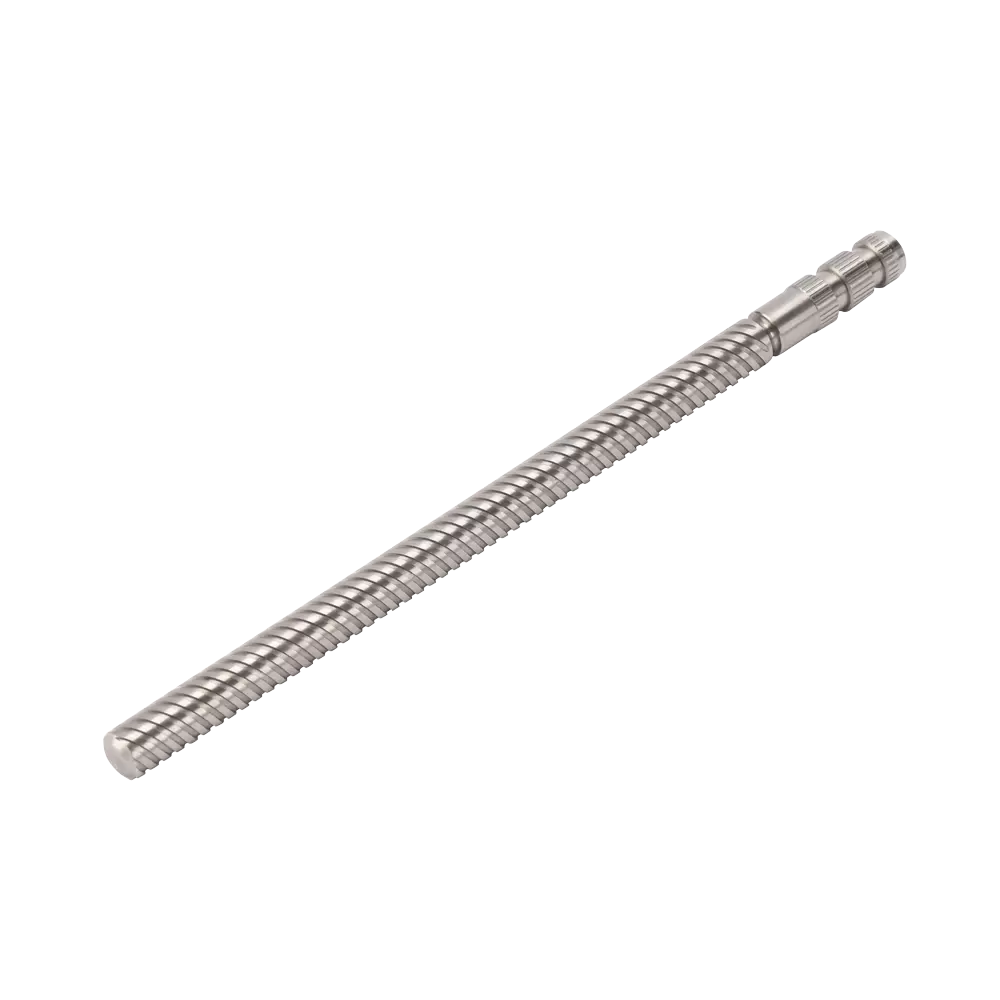
High-wear components (e.g., connector pins, springs, mechanical terminals)
-
Safety-critical parts
-
High-value precision components
-
Slow-moving inventory
-
Emergency spares for unexpected downtime
Understanding exact dimensions, tolerances, material requirements, and replacement frequency helps avoid procurement delays and production interruptions.
2. Standardize Specifications Across Equipment
One of the biggest challenges in spare parts procurement is inconsistency. Different machines may use similar components but with slightly different specifications, leading to:
-
Increased inventory complexity
-
Higher stocking costs
-
More procurement errors
Standardizing components—where possible—helps streamline purchasing.
Suppliers like Dongguan Mingyuda support equipment standardization by offering:
-
A wide range of precision connector pins,
-
Spring-loaded and crown-spring pins,
-
Custom-shaped terminals,
-
Metal fasteners for connector housings,
-
Sensor hardware components,
-
Cable sealing accessories,
-
Medical device metal fittings,
-
Aviation connector terminals, and more.
Their engineering team can even help redesign components for easier standardization.
3. Work With High-Quality, Reliable Spare Parts Suppliers
A strong supply chain depends on strong suppliers. When selecting a supplier for industrial machine spare parts, look for:
-
Proven manufacturing capability
-
High-precision production standards
-
Material traceability
-
Fast lead time and stable delivery
-
Ability to scale from small batches to mass production
-
Strong R&D and customization capability
-
Strict quality inspection and testing processes
Dongguan Mingyuda Electronic Technology Co., Ltd. meets these criteria by providing advanced manufacturing and comprehensive system solutions for precision spare parts. Their components maintain high dimensional accuracy, electrical conductivity, mechanical strength, and long-term reliability—critical for industrial machinery.
4. Implement a Strategic Inventory Management System
An efficient spare parts supply chain requires balancing cost and availability.
Key strategies include:
-
ABC classification (prioritize high-value or high-risk components)
-
Safety stock levels for fast-moving items
-
Just-in-time (JIT) ordering for predictable components
-
Vendor-managed inventory (VMI) to reduce internal stock pressure
-
Regular consumption forecasting based on machine usage data
Partnering with suppliers that support consistent, predictable deliveries—such as Mingyuda—significantly improves inventory efficiency.
5. Use Digital Tools and ERP Systems to Automate Procurement
Modern procurement benefits greatly from digitalization. ERP and supply chain management systems help:
-
Track spare parts consumption
-
Set automatic reorder points
-
Monitor supplier performance
-
Reduce human error
-
Improve procurement transparency
-
Optimize logistics and cost control
Data-driven procurement ensures stable availability and reduces emergency orders, which are usually costly and disruptive.
6. Develop Close, Long-Term Supplier Relationships
For frequently used precision components such as connector pins, terminals, or custom metal parts, long-term cooperation brings major advantages:
-
Priority production scheduling
-
Flexible customization
-
Better cost negotiation
-
Faster response during emergencies
-
Joint R&D for improving component performance
Mingyuda’s engineering capabilities and long-term service model make them a trusted partner for manufacturers seeking stability and continuous improvement.
7. Conduct Regular Quality Audits and Performance Evaluations
To maintain supply chain efficiency, evaluate suppliers and spare parts performance regularly:
-
Dimensional accuracy and tolerance consistency
-
Material and surface treatment quality
-
Electrical and mechanical properties
-
Failure rates and durability
-
Delivery punctuality
-
Technical support responsiveness
A transparent quality feedback loop helps ensure continuous improvement.
Conclusion: A Strategic Supply Chain Ensures Continuous Production
Building an efficient supply chain for industrial machine spare parts procurement is essential for reducing downtime, optimizing costs, and improving equipment reliability. By standardizing components, leveraging digital tools, improving supplier collaboration, and maintaining high-quality sourcing, manufacturers can create a stable and scalable system.
With its advanced precision manufacturing capabilities and comprehensive product range—covering spring pins, connector pins, sensor components, custom terminals, cable sealing parts, aviation connector terminals, and more—Dongguan Mingyuda Electronic Technology Co., Ltd. is an excellent partner for companies looking to enhance their spare parts procurement efficiency and long-term equipment performance.
https://www.cncmyd.com/
Dongguan Mingyuda Electronic Technology Co., Ltd.