
When a repair station orders a batch of cylinder head gaskets for a mixed fleet of passenger cars and commercial vehicles, the component has to perform under conditions that vary from cold starts to sustained high-temperature combustion. A gasket that fails to hold its seal under these shifting loads can mean lost compression, coolant leaks, or a warranty claim traced back to a single faulty part. This is the operating reality that shapes how MASUMA, a global automotive aftermarket brand, structures its Engine Gaskets & Sealing Line before any shipment leaves the production floor.
Distributors and fleet operators sourcing gaskets typically need two assurances: that the part matches the mechanical and thermal profile of the target engine, and that its construction has been engineered rather than simply copied. MASUMA positions its gasket range as parts developed through reverse engineering and durability testing, an approach the company applies across its broader replacement parts catalog to address wear, poor sealing, and carbon buildup in engine systems.
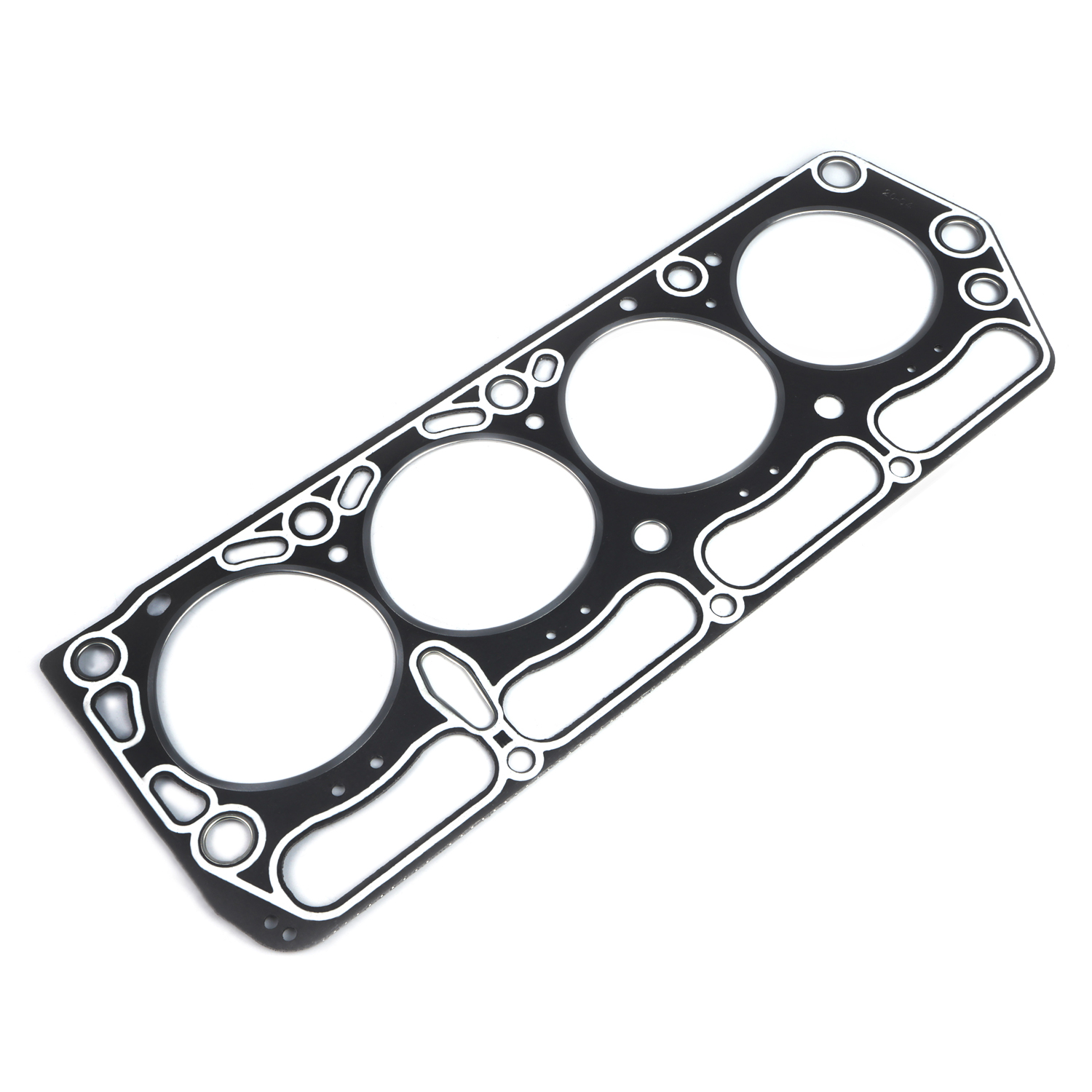
The line itself is built around material and geometry choices tied to specific failure modes. Metal-Asbestos Gaskets use metal wires sandwiched within asbestos and wrapped in a copper or steel skin, produced to a standardized 1.2 to 2mm profile that fills joint misalignments on light-to-medium duty engines. Solid Metal Sheet Gaskets, intended for performance and racing applications, rely on embossed sealing ridges around cylinder, oil, and water holes that deform elastically under mechanical load to maintain a seal without blowing out. For engines running repeated heating and cooling cycles, Metal Composite Gaskets apply a DAI-EL fluoroelastomer coating over stainless steel sheets, a combination intended to resist chemical degradation and compression set over time rather than hardening or cracking after repeated thermal shock.
Sealing precision extends to smaller components in the same line. Injector Washers are manufactured with a 3D-scanned geometry held to a 0.01mm tolerance, a specification aimed at eliminating the gap-filling and grinding that can otherwise introduce inconsistency during installation. The washers also carry a dual-layer structure, with the metal face positioned toward the cylinder head and a rubber layer toward the injector, to restrict reverse leakage under high-temperature, high-pressure fuel pulses. Valve Cover Gaskets, by contrast, are offered in silicone, nitrile rubber, or ACM material options and are compression molded in a single step, a method the company associates with a more consistent fit and reduced noise transmission compared to multi-piece assembly.
For a distributor evaluating a shipment, these distinctions matter less as abstract specifications and more as a matching exercise: a steel wire mesh gasket built around a structural steel framework is positioned for high-load commercial vehicle engines, while a composite coating gasket is aimed at modern multi-valve passenger engines with finer surface tolerances. Selecting the wrong category for a given engine load profile would undercut the sealing performance the part was designed to deliver, regardless of manufacturing quality.
MASUMA pairs the hardware with after-sales material, including installation procedures and maintenance specifications intended to align with vehicle manufacturer standards, which gives repair stations a reference point for installation rather than leaving fit and torque decisions to on-site judgment alone.
About MASUMA
MASUMA is a brand serving the global automotive aftermarket, supplying replacement parts compatible with major passenger car, commercial vehicle, and hybrid electric vehicle platforms. The company develops its components through reverse engineering and durability testing, with a stated focus on addressing engine wear, sealing failures, and efficiency losses across ignition, fuel delivery, and sealing systems.
https://masuma.com/
MASUMA PRECISION AUTO PARTS CO., LTD.