
As industries continue to focus on energy efficiency and reliable power distribution, amorphous power transformer cores have become an increasingly popular choice for transformer manufacturers and utility companies. Compared with conventional silicon steel cores, amorphous cores offer significantly lower no-load losses while maintaining excellent magnetic performance, making them suitable for distribution transformers, renewable energy systems, industrial power equipment, and commercial electrical networks.
However, achieving optimal transformer performance requires more than selecting amorphous materials alone. The design, manufacturing process, material handling, and quality control of the transformer core all play crucial roles in determining efficiency, durability, and long-term operating stability. This guide explores the key aspects of custom amorphous power transformer core design and production, helping buyers better understand the factors involved in selecting a reliable manufacturing solution.
What Is an Amorphous Power Transformer Core?
An amorphous power transformer core is the magnetic circuit inside a transformer, manufactured from amorphous metal ribbons rather than traditional grain-oriented silicon steel sheets. The amorphous alloy is produced through an ultra-rapid cooling process that prevents atoms from forming a regular crystalline structure, resulting in a unique non-crystalline metallic material.
This distinctive microstructure gives amorphous alloys outstanding magnetic properties, particularly their extremely low hysteresis loss. As a result, transformers equipped with amorphous cores consume significantly less energy when operating under no-load conditions, making them an attractive solution for power distribution systems that remain energized around the clock.
Because the core is responsible for transferring magnetic flux between transformer windings, its quality directly affects efficiency, temperature rise, operating noise, and overall transformer performance.
Advantages of Amorphous Transformer Cores
One of the primary advantages of amorphous transformer cores is their exceptionally low core loss. Since distribution transformers often operate continuously regardless of electrical load, reducing no-load losses contributes to improved overall energy efficiency throughout the transformer's service life.
Another important benefit is lower operating temperature. Reduced magnetic losses generate less heat inside the transformer, helping improve insulation performance and extending the service life of internal components.
Amorphous cores also contribute to quieter transformer operation. Their optimized magnetic characteristics reduce vibration during magnetization, resulting in lower audible noise compared with many conventional transformer designs.
In addition, the high electrical resistivity of amorphous alloys helps reduce eddy current losses, further improving energy efficiency while maintaining reliable magnetic performance.
Understanding the Custom Design Process
Every transformer application has different electrical and mechanical requirements, making custom core design an essential part of manufacturing.
The design process typically begins by evaluating the transformer's rated capacity, operating voltage, frequency, installation environment, and efficiency requirements. Engineers use these specifications to determine the appropriate core dimensions, cross-sectional area, magnetic flux density, and material utilization.
Core geometry must also be optimized to ensure proper integration with transformer windings while maintaining adequate cooling space and mechanical stability. Careful engineering helps balance efficiency, material consumption, and manufacturing feasibility.
Custom design allows manufacturers to develop transformer cores that meet both technical performance requirements and customer-specific installation conditions.
Material Selection and Quality
The performance of an amorphous transformer core depends heavily on the quality of the amorphous alloy ribbon used during production.
High-quality amorphous ribbons exhibit consistent thickness, excellent magnetic permeability, low coercivity, and uniform mechanical properties. Maintaining stable material quality throughout production ensures consistent magnetic performance across every finished core.
Material storage and handling are equally important. Since amorphous ribbons are thinner and more brittle than conventional electrical steel, manufacturers must follow specialized handling procedures to prevent mechanical damage before and during production.
Reliable suppliers carefully inspect incoming materials to verify dimensional accuracy, surface condition, and magnetic characteristics before manufacturing begins.
Core Structure and Design Considerations
Core design involves much more than determining physical dimensions. Several structural factors influence transformer performance and manufacturing quality.
The core shape must support efficient magnetic flux distribution while minimizing localized saturation. Engineers carefully calculate stacking dimensions and joint configurations to reduce magnetic resistance throughout the magnetic circuit.
Mechanical strength is another important consideration. Although amorphous materials provide excellent magnetic performance, their brittleness requires specially designed clamping structures that maintain core integrity without introducing excessive mechanical stress.
Proper insulation between core sections also contributes to reducing eddy current losses while improving overall electrical safety.
By carefully balancing these structural considerations, manufacturers produce transformer cores that combine excellent efficiency with long-term operational reliability.
Manufacturing Process of Amorphous Transformer Cores
Producing high-quality amorphous transformer cores requires a highly controlled manufacturing process.
The process typically begins with precision cutting of amorphous ribbons according to the required core dimensions. Specialized cutting equipment ensures clean edges while minimizing mechanical deformation that could affect magnetic performance.
After cutting, the ribbons are stacked and wound into the desired core configuration using carefully controlled tension. Maintaining consistent winding pressure helps preserve the material's magnetic characteristics while ensuring dimensional accuracy.
Following core assembly, clamping structures are installed to stabilize the magnetic circuit without creating unnecessary stress on the brittle amorphous material.
Each manufacturing stage requires careful process control to maintain both structural accuracy and magnetic performance.
Precision Equipment Used in Production
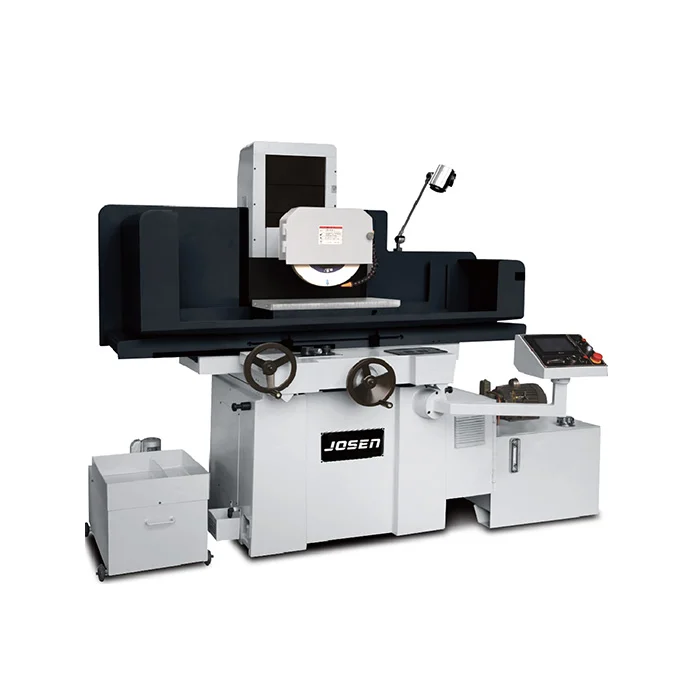
Modern transformer core manufacturing relies on advanced equipment to achieve consistent production quality.
Computer-controlled cutting machines provide accurate ribbon dimensions while reducing material waste. Automated winding systems maintain uniform tension throughout the assembly process, improving consistency between production batches.
Precision measuring equipment verifies core dimensions during manufacturing, ensuring compliance with engineering specifications before final assembly.
Many production facilities also integrate automated material handling systems that minimize direct operator contact with delicate amorphous ribbons, helping reduce the risk of accidental damage during production.
Quality Control Throughout Manufacturing
Strict quality control is essential because small variations in core dimensions or material condition can influence transformer performance.
Incoming material inspections verify ribbon thickness, surface quality, and magnetic properties before production. During manufacturing, operators monitor cutting accuracy, winding quality, dimensional tolerances, and clamping consistency.
Finished cores undergo comprehensive inspections that include dimensional measurement, appearance evaluation, mechanical integrity verification, and magnetic performance testing.
Additional electrical testing helps confirm that the completed core meets the specified performance requirements before being integrated into transformer production.
A comprehensive quality management system ensures consistent manufacturing standards across every production batch.
OEM and Custom Manufacturing Services
Many transformer manufacturers require customized amorphous cores designed specifically for their own transformer products.
OEM manufacturing allows customers to supply detailed engineering drawings, technical specifications, and performance requirements while the manufacturer produces cores according to those exact standards.
Custom manufacturing services may include specialized core dimensions, unique joint structures, customized clamping systems, material selection, insulation configurations, and packaging solutions based on customer requirements.
Close engineering cooperation between customer and manufacturer helps optimize production efficiency while ensuring compatibility with the final transformer assembly.
Applications Across Multiple Industries
Custom amorphous transformer cores are used in a wide variety of electrical applications where energy efficiency and reliable operation are priorities.
Power distribution networks utilize amorphous core transformers to reduce continuous energy losses while delivering stable electricity to residential, commercial, and industrial users.
Renewable energy projects, including solar and wind power installations, benefit from transformers equipped with low-loss cores that improve overall system efficiency.
Industrial manufacturing facilities use amorphous transformers to support production equipment, automation systems, and electrical distribution infrastructure while minimizing energy consumption during continuous operation.
Commercial buildings, hospitals, transportation systems, educational institutions, and public infrastructure projects also employ amorphous core transformers as part of their electrical distribution networks.
Choosing the Right Manufacturing Partner
Selecting an experienced transformer core manufacturer is essential for achieving consistent product quality and reliable long-term performance.
Engineering expertise is one of the most important considerations. A manufacturer with extensive experience in amorphous material processing can provide optimized designs, precise manufacturing techniques, and effective production solutions tailored to customer requirements.
Production capability should also be carefully evaluated. Advanced manufacturing equipment, strict quality management systems, experienced technical personnel, and comprehensive testing facilities all contribute to stable product quality.
Customers should additionally consider communication efficiency, project management capabilities, delivery reliability, technical support, and after-sales service when establishing long-term manufacturing partnerships.
Working with a qualified manufacturer helps ensure that custom transformer cores meet both performance expectations and industry quality standards.
Conclusion
Custom amorphous power transformer core design and production require a combination of advanced material technology, precision engineering, and rigorous manufacturing control. From material selection and structural design to cutting, winding, assembly, and quality inspection, every stage of the production process contributes to the efficiency and reliability of the finished transformer.
By partnering with an experienced manufacturer capable of providing comprehensive OEM and custom manufacturing services, transformer producers can obtain high-quality amorphous cores tailored to their specific applications. With careful engineering, precise production processes, and strict quality assurance, custom amorphous transformer cores provide an effective foundation for energy-efficient and dependable power distribution equipment.
www.eugeniatek.com
Wuxi Eugenia Tech Co.,Ltd.