

In modern industrial systems, electric motors are the backbone of productivity. From manufacturing lines and pumping stations to HVAC systems and heavy-duty processing equipment, motors convert electrical energy into mechanical power that keeps operations running. Among the many motor types available today, three-phase asynchronous motors—also known as induction motors—have become the preferred choice across most industrial applications.
Their widespread adoption is not accidental. It is driven by a combination of reliability, efficiency, adaptability, and long-term operating stability. This article explores why three-phase asynchronous motors are essential for industrial use and how solution-oriented suppliers like Shanghai Juyue Energy Engineering Co., Ltd. help enterprises apply them effectively within broader power distribution and electromechanical systems.
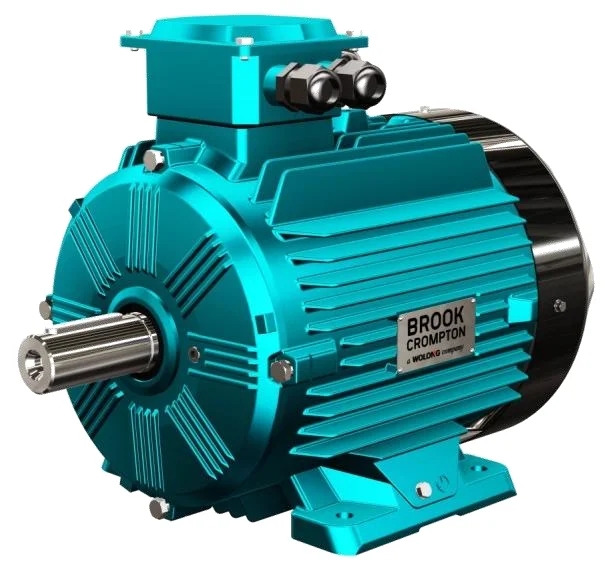
Understanding Three-Phase Asynchronous Motors
A three-phase asynchronous motor operates on a three-phase AC power supply, generating a rotating magnetic field in the stator. This field induces current in the rotor, causing it to rotate at a speed slightly lower than the synchronous speed of the magnetic field—hence the term “asynchronous.”
This simple yet robust operating principle gives these motors several inherent advantages:
-
No brushes or commutators, reducing mechanical wear
-
Stable operation under variable load conditions
-
Straightforward structure that supports long service life
Because of these characteristics, three-phase asynchronous motors are often the default choice for continuous-duty and high-load industrial environments.
Reliability as a Core Industrial Requirement
Industrial operations demand equipment that can operate continuously with minimal downtime. Unexpected motor failures can halt production, disrupt supply chains, and increase maintenance costs.
Three-phase asynchronous motors are valued for their mechanical simplicity and rugged design. With fewer components prone to wear, they are well suited to harsh conditions such as high temperatures, dust, vibration, and fluctuating loads. This reliability makes them ideal for applications like conveyors, compressors, fans, mixers, and pumps, where consistent performance is critical.
When integrated into well-designed power distribution systems, these motors can operate for years with minimal intervention, supporting stable and predictable industrial output.
Efficiency and Energy Utilization
Energy consumption is a major cost driver in industrial facilities. Motors account for a significant portion of total electricity usage, especially in manufacturing and processing plants.
Three-phase asynchronous motors are known for their high efficiency, particularly at rated loads. Compared with single-phase motors, they offer:
-
Smoother torque output
-
Lower current per phase
-
Reduced energy losses
When paired with proper motor selection, load matching, and control systems, these motors contribute to optimized energy utilization across industrial operations.
As an engineering-focused supplier, Shanghai Juyue Energy Engineering Co., Ltd. emphasizes performance-driven solutions that align motor selection with real operating conditions, helping customers achieve efficient and reliable power usage without unnecessary complexity.
Compatibility with Industrial Power Systems
Most industrial facilities are built around three-phase power infrastructure. Three-phase asynchronous motors integrate seamlessly into these systems, simplifying electrical design and reducing conversion losses.
Their compatibility extends to a wide range of control and protection equipment, including:
-
Circuit breakers and contactors
-
Thermal overload relays
-
Soft starters and variable frequency drives (VFDs)
This flexibility allows engineers to tailor motor behavior—such as starting current, torque characteristics, and speed control—to the specific needs of each application.
For complex projects, this system-level compatibility is just as important as motor performance itself.
Adaptability Across Industrial Applications
One reason three-phase asynchronous motors dominate the industrial sector is their adaptability. They can be used in both simple fixed-speed applications and advanced automated systems.
Common application areas include:
-
Manufacturing and assembly lines
-
Water treatment and pumping systems
-
Mining and material handling
-
Building services and HVAC
-
Power generation auxiliaries
With appropriate configuration, the same motor type can serve vastly different functions, reducing inventory complexity and simplifying maintenance planning.
For engineers and project managers, this versatility supports standardized design approaches without sacrificing performance.
Supporting Automation and Control
Modern industry increasingly relies on automation to improve productivity, consistency, and safety. Three-phase asynchronous motors are highly compatible with automation technologies, especially when used with VFDs.
By integrating motors with control systems, facilities can achieve:
-
Adjustable speed and torque
-
Reduced mechanical stress during startup
-
Improved process accuracy
-
Lower energy consumption during partial load operation
These capabilities make asynchronous motors a practical foundation for smart manufacturing and industrial digitalization initiatives.
As a customer-centric solutions partner, Shanghai Juyue Energy Engineering Co., Ltd. supports clients not only with motor products but also with engineering planning, system integration, and technical services that ensure motors perform effectively within automated environments.
Long-Term Cost Stability and Maintenance Benefits
While initial selection is important, industrial decision-makers also consider long-term operational stability. Three-phase asynchronous motors offer predictable performance over time, with relatively low maintenance requirements.
Their benefits include:
-
Reduced downtime due to mechanical simplicity
-
Lower spare parts demand
-
Straightforward diagnostics and servicing
These factors contribute to a lower total cost of ownership, especially in facilities where motors operate continuously or in large numbers.
By aligning product selection with realistic operating conditions, companies can avoid oversizing, underutilization, and premature failures—issues that often arise from poor planning rather than equipment limitations.
The Role of Integrated Engineering Solutions
Selecting the right motor is only one part of a successful industrial project. Power distribution, protection, control, and system integration all influence real-world performance.
Shanghai Juyue Energy Engineering Co., Ltd. positions itself as a full-service industrial and electromechanical supplier, combining engineering contracting, trade, technology, and service capabilities. By assisting customers with project planning and requirement analysis, the company ensures that motors and supporting systems work together efficiently.
For professionals seeking deeper technical insight into product specifications and applications, detailed information can be found through
https://www.juyueenergy.com/Three-phase-asynchronous-Motor
This approach reflects a broader industry trend: moving from standalone products toward integrated, value-driven solutions.
Conclusion
Three-phase asynchronous motors are essential to industrial applications because they deliver a rare combination of reliability, efficiency, adaptability, and system compatibility. Their proven performance across decades of industrial development makes them a trusted choice for both traditional facilities and modern automated plants.
When supported by thoughtful engineering and customer-focused service, these motors become more than components—they become long-term assets that drive productivity and operational stability.
Companies like Shanghai Juyue Energy Engineering Co., Ltd. demonstrate how combining technical expertise with solution-oriented thinking helps industrial customers unlock the full potential of three-phase asynchronous motors, ensuring performance that aligns with real-world demands and future growth.
www.juyueenergy.com
Shanghai Juyue Energy Engineering Co., Ltd.